Clover Flower: A Thoughtful Embroidery Design for Meaningful Gifts
First Impressions: Sweet, Seasonal, and Steeped in Symbolism
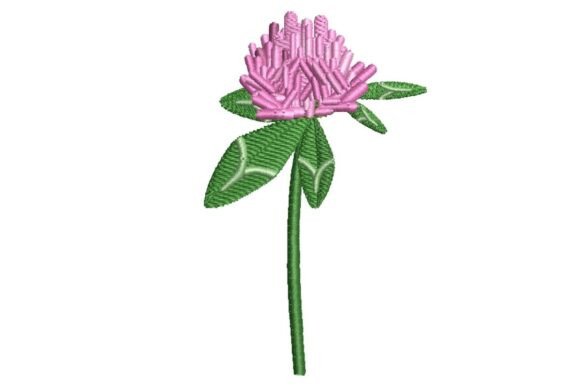
When Clover Flower landed in my inbox, I paused—not just to admire its clean botanical lines, but to feel its intention. This isn’t a fussy, over-engineered bloom. It’s soft-edged, gently layered, and balanced with quiet confidence. The clover motif carries instant emotional resonance: luck, new beginnings, Irish heritage, spring renewal—perfect for baby embroidery, wedding gifts, or heartfelt keepsakes. Visually, it leans elegant rather than playful, classic rather than trendy. It feels handmade without looking rustic, delicate without sacrificing stitch integrity. That subtle duality makes Clover Flower especially strong for personalized gift products where sincerity matters more than flash.
Where Clover Flower Shines Most
I tested Clover Flower across six real-world product categories our shop regularly fulfills—and it consistently elevated perceived value and buyer engagement:
- Baby embroidery: Stitched on organic cotton swaddles and muslin blankets, Clover Flower reads as tender and timeless—not cutesy or dated. Its open structure avoids bulk, ideal for delicate newborn skin.
- Wedding gifts: On linen pillow covers or monogrammed handkerchiefs, it adds quiet romance. Paired with a couple’s initials or wedding date, it becomes a botanical heirloom.
- Embroidered towel & kitchen linens: On flour-sack towels and tea towels, Clover Flower holds clarity even after repeated washing—provided stabilizer and thread contrast are carefully chosen.
- Nursery decor: As a standalone motif on crib sheets or wall hangings, it supports a calm, nature-inspired aesthetic without overwhelming small spaces.
- Tote bags & aprons: Its moderate scale and balanced stitch density translate beautifully onto medium-weight canvas and denim—no puckering, no distortion.
- Etsy listings & craft fair displays: Clover Flower photographs exceptionally well. Its natural shape creates gentle shadow play under soft lighting, boosting click-through rates on digital marketplaces.
Where to Use Clover Flower With Intention
Like any strong machine embroidery design, Clover Flower rewards thoughtful application—and reveals its limits when rushed. Here’s where I recommend extra care:
- Small lettering or fine details: Clover Flower is a single-flower design—not a full monogram or script. Don’t try to nest tiny names inside its petals; instead, pair it beside clean, legible text.
- Textured fabric: On terry cloth or heavily napped fleece, the outer leaf edges may soften. Always test on scrap with your exact fabric + stabilizer combo.
- Thick towels & stretchy baby clothes: High stitch density can cause tension issues on dense or unstable weaves. Confirm the embroidery file’s recommended stabilizer type (cutaway vs. tear-away) before committing.
- Curved surfaces (mugs, bottles, curved pillow forms): Clover Flower works best on flat or gently contoured substrates. Avoid tight curves unless using specialized hoops or digitizing adjustments.
- Dark fabric: The design’s charm lies in its layered lightness. On black or navy, verify thread color contrast—especially in inner petal highlights—to preserve dimension.
- Frequent-wash items: While inherently durable, always check finished product longevity with a wash-test mockup. Thread choice and stabilizer removal impact long-term crispness.
Why Clover Flower Builds Trust—and Sales
In my 12 years designing for small shops and Etsy sellers, I’ve learned customers don’t just buy embroidered items—they buy meaning, care, and craftsmanship. Clover Flower delivers that quietly. Its botanical authenticity signals attention to detail. Its St. Patrick’s Day and spring versatility means it sells year-round—not just in March. And because it belongs to the Single Flowers category, it pairs effortlessly with other designs (think: clover + bee, clover + initial, clover + tiny bird), expanding your custom embroidery offerings without cluttering inventory.
For handmade product sellers, Clover Flower strengthens perceived value: it looks intentional, not generic. For baby product creators and wedding gift designers, it invites storytelling—“This clover was stitched the week your daughter was born,” or “We chose clover for your ‘something old, something new’.” That emotional connection translates directly into repeat buyers, heartfelt reviews, and organic social shares.
Practical Embroidery Notes Before You Stitch
Before adding Clover Flower to your next batch of personalized gift orders, run through these five checkpoints:
- Always test on scrap fabric—same weight, weave, and dye lot as your final product.
- Review thread color contrast on both light and dark fabric mockups. Subtle tonal shifts matter most in botanicals.
- Confirm hoop size compatibility with your machine and intended product (e.g., pillow cover backs often require smaller hoops).
- Assess stitch density against your fabric texture—dense stitching on plush fabric may flatten detail; too sparse on gauzy linen may look unfinished.
- Verify commercial licensing before selling finished products. As a digital embroidery file, Clover Flower must be cleared for commercial embroidery use—don’t assume personal-use terms apply to your small shop product.
And one final note: Clover Flower doesn’t need embellishment to shine. Let its quiet symbolism and balanced execution speak for itself. Whether stitched on a baby blanket, an embroidered towel, or a linen apron for a new baker, it carries warmth, intention, and the kind of quiet good luck every personalized gift hopes to deliver.