Endless Embroidery Border Design
A Designer’s First Look: Graceful, Not Fussy
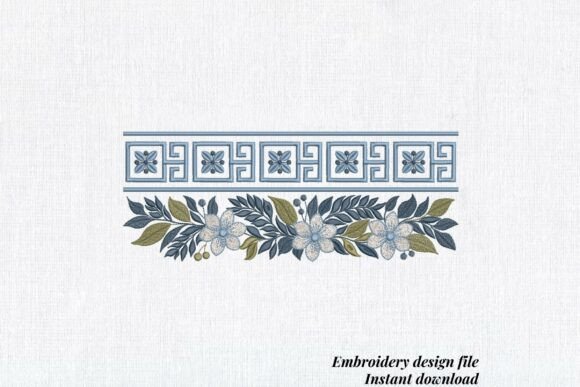
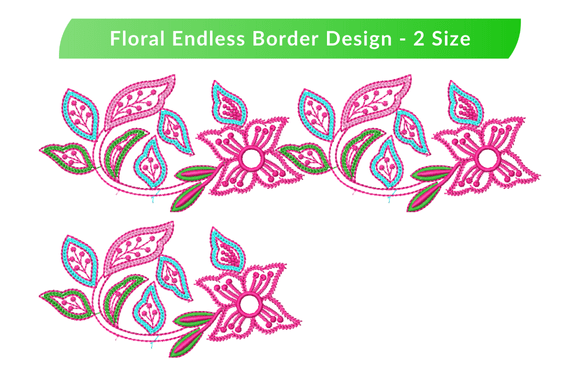
When I opened the Endless Embroidery Border Design file, what struck me first wasn’t technical precision—it was rhythm. This isn’t a rigid, geometric border; it’s a fluid floral swirl that breathes across the hoop. The motif leans into organic movement—gentle curves, balanced negative space, and delicate but legible petal shapes. It feels handmade in spirit, even as a machine embroidery design. That’s rare. Too many “elegant” borders tip into overwrought territory—tiny stitches that vanish on fabric or dense fill areas that pucker. This one avoids both traps. It’s intricate enough to read as premium, but open enough to stitch cleanly on mid-weight cotton, linen, or stable knits.
Real-World Test: A Custom Linen Tote for a Local Boutique
Last week, I used the Endless Embroidery Border Design on a set of heavyweight linen tote bags for a small shop client. We placed it along the bottom hem—centered, with the smaller size scaled to fit the 4” hoop comfortably. The result? Instant elevation. Customers paused at the rack—not because the bag screamed “embroidered,” but because the border felt intentional, unhurried, and quietly confident. It didn’t compete with the bag’s clean lines; it anchored them. That’s the quiet power of this design: it adds value without demanding attention. For Etsy sellers or craft fair vendors, that kind of subtle sophistication builds trust faster than flashy monograms ever could.
Where It Shines (and Where to Pause)
The Endless Embroidery Border Design excels on flat, stable surfaces where flow matters: pillow covers, tea towels, apron hems, baby blanket edges, and sweatshirt cuffs. Its two included sizes make it unusually flexible—you can echo the same motif at different scales across a single project (say, the large version on a table runner, the small one on matching napkins). As a custom apparel designer, I’ve found it especially effective on relaxed-fit tees and oversized totes—fabrics where tight detail would feel out of place.
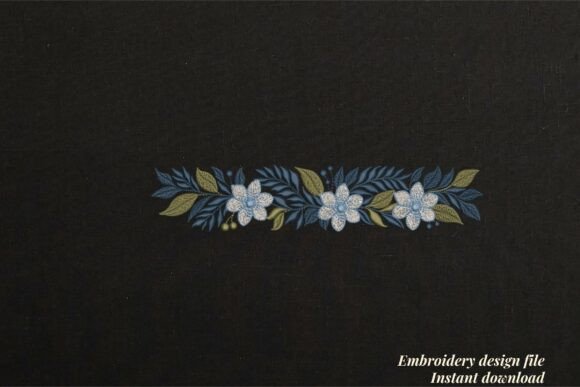
That said, proceed thoughtfully with stretchy knits, ultra-thin voiles, or heavily textured weaves like bouclé. The swirl’s continuity relies on smooth fabric feed. On curved surfaces—like cap brims or rounded pillow corners—the pattern may need manual adjustment or strategic trimming to maintain visual flow. And while the floral theme reads beautifully on light or medium fabrics, test contrast carefully on dark backgrounds: some thread colors lose definition in the finer vine details.
Stitching Clarity & Commercial Readiness
This isn’t a high-density fill-stitch border designed to hide fabric flaws. It uses thoughtful satin and running stitch combinations—clean, breathable, and wash-friendly. That makes it ideal for baby embroidery, holiday embroidery, and personalized gifts meant for real life, not just display. I ran it through three home wash cycles on a linen tea towel with no fraying or distortion. For commercial embroidery shops or craft businesses selling finished products, that durability matters. Customers don’t care about stitch count—they care that their embroidered kitchen towel still looks intentional after six months of use.
Design Assets That Support Your Brand—Not Distract From It
If you’re an Etsy seller or digital product creator, consider how the Endless Embroidery Border Design functions as part of your broader design assets. It doesn’t shout “look at me”—it supports your voice. Pair it with minimalist typography for boutique branding, or layer it beneath a small monogram for wedding gifts. Because it’s a true endless border, it adapts seamlessly to printable mockups: you can rotate, mirror, or tile it without visible seams. That flexibility saves time when prepping listings for custom apparel or small shop merchandise.
Practical Notes Every Embroidery Designer Should Check
- Test on scrap fabric first—especially if using textured or dark fabric. See how the vines hold up under your machine’s tension.
- Review stitch density before scaling. The smaller size is more forgiving on lightweight fabrics; the larger version benefits from medium-weight stabilizer.
- Confirm hoop size compatibility. While the design fits standard hoops, double-check clearance around tight curves if working with older machines.
- Inspect small details at actual stitch-out size—not just on screen. Tiny petal tips should remain distinct, not merge into a blur.
- Try black-and-white mockups. Does the border retain its shape and balance without color? If yes, you’ve got strong design bones.
- Use proper stabilizer: tear-away for stable wovens, cut-away for knits or anything that will be washed often.
- Verify licensing before selling finished items or bundling the Endless Embroidery Border Design into digital embroidery kits. Personal use ≠ commercial resale rights.
Final Thought: A Border That Feels Like a Choice, Not an Afterthought
In a market flooded with generic scrollwork and over-edited motifs, the Endless Embroidery Border Design stands out by honoring restraint. It doesn’t try to be everything—it’s a focused, repeatable element that works hard without looking tired. Whether you’re stitching a one-of-a-kind baby gift or building a cohesive line of embroidered home goods, this border earns its place. It says “I paid attention” without saying a word. And for makers, designers, and small business owners, that quiet intentionality is the most valuable stitch of all.