Floral Bunny Head
A Seasonal Designer’s First Impression
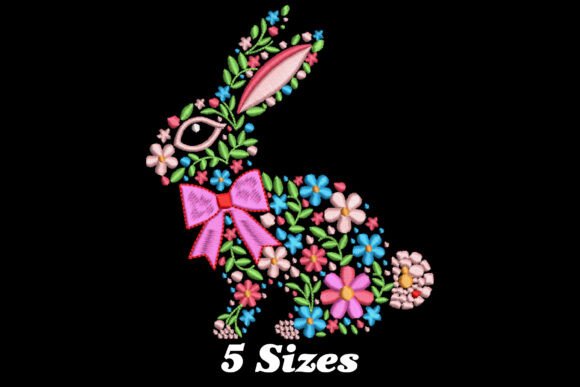
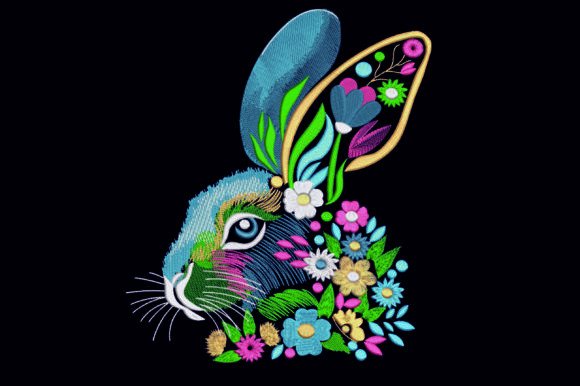
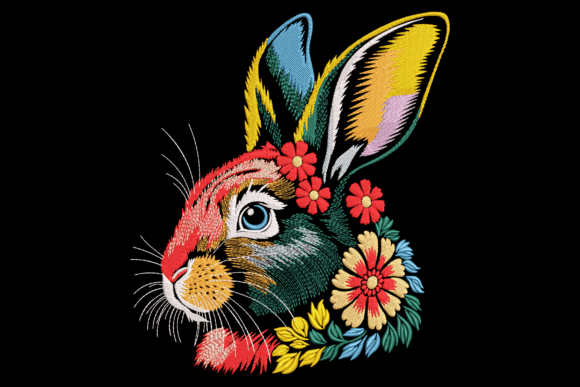
When I opened the Floral Bunny Head embroidery file, I felt that quiet lift of spring arriving — soft, intentional, and emotionally resonant. It’s not just a bunny; it’s an invitation to pause and appreciate delicate balance: playful innocence meets botanical elegance. The design leans into elegant whimsy — think heirloom baby blankets more than cartoon Easter eggs. Petals curl with gentle precision, the bunny’s expression is calm and tender, and the floral accents aren’t overwhelming — they frame and elevate, never compete. This isn’t loud holiday embroidery. It’s seasonal embroidery with quiet confidence: cozy enough for family matching sweatshirts, refined enough for linen pillow covers on a boutique shelf.
Where It Shines in Real Holiday Selling Situations
The Floral Bunny Head thrives where emotional connection drives purchase decisions. On sweatshirt embroidery, it reads beautifully at 4–5 inches wide — large enough to anchor a relaxed fit pullover but small enough to avoid bulk. For tote bag design, it centers perfectly above a pocket or along the side seam, lending artisan charm to everyday carry. On kitchen towel embroidery, it adds warmth without visual clutter — especially when stitched in muted sage, blush, or oat thread colors against natural cotton or linen.
Etsy sellers will find strong listing potential: pair it with “personalized gift” language (“Add baby’s name below the bunny”) or bundle it into “Spring Nesting Kits” with matching embroidered pillow covers and organic cotton bibs. At craft fairs, the Floral Bunny Head stands out among busier motifs — its subtlety draws people in for a second look, then lingers in memory. As a embroidered patch, it layers elegantly onto denim jackets or woven baskets, supporting limited-edition apparel drops or family matching sets (think mom + toddler sweatshirts, all sharing the same motif).
For social media previews and printable mockups, this design translates exceptionally well. Its clean silhouette renders crisply in flat-lay photos, digital ads, and printable promotional graphics — no lost detail, no pixelated edges. That visual clarity builds customer trust before the first stitch is even made.
Where to Use It Thoughtfully
While versatile, the Floral Bunny Head asks for mindful placement. Avoid using it on items requiring extreme durability under repeated stress or washing — like high-use dish towels or infant onesies worn daily — unless you’ve confirmed its stitch density is optimized for fine fabric stability. Delicate floral details may soften on thick terry cloth or heavily textured weaves, so always test on your exact fabric texture before production.
On dark fabric, choose thread colors with enough contrast to preserve petal definition — matte pastels can disappear; consider slightly heathered or tonal metallics for subtle lift. Metallic thread works *only* if the original Floral Bunny Head file includes optimized underlay and reduced density — check your file notes. Likewise, avoid curved surfaces like baseball caps unless you’ve verified hoop compatibility and digitizing for stretch compensation.
Small hoop sizes (<4" diameter) demand attention: zoom in on the file preview to ensure no floral elements are clipped or compressed. If stitching for baby items or aprons, confirm all inner curves and petal tips remain legible post-embroidery — what looks crisp on screen may blur slightly on soft knit.
How It Elevates Your Seasonal Product Strategy
This isn’t just another Easter motif — it’s a mood-setter. The Floral Bunny Head deepens seasonal appeal by bridging spring renewal with timeless gentleness. That resonance lifts perceived product value: shoppers pay more for handmade gifts that feel intentional, not seasonal filler. Its quiet sophistication supports premium pricing on pillow covers or table linens, while its approachability keeps it accessible for beginner crafters buying their first digital embroidery file.
Emotionally, it taps into nostalgia without leaning into kitsch — ideal for multigenerational gifting (grandma’s kitchen towel, teen’s tote, baby’s blanket). That consistency across use cases strengthens brand consistency for small shop owners building a recognizable aesthetic. And because it’s distinctive yet universally warm, it boosts visual recognition in crowded marketplaces — customers remember the bunny with the wisteria-like bloom, not just “another Easter design.”
Practical Notes from the Embroidery Design Desk
- Test thread colors on both light and dark fabric swatches — especially for floral layers. A single petal can shift the entire tone.
- Confirm hoop size and stitch density before bulk production. High-density fills may require tear-away stabilizer + lightweight cutaway for stability on knits.
- Use appropriate stabilizer for your base: medium-weight cutaway for sweatshirts, lightweight tear-away for kitchen towels, fusible mesh for lightweight linens.
- Create realistic mockups — not just white backgrounds. Show the Floral Bunny Head on oat-colored canvas totes, sage linen pillow covers, and natural cotton tea towels.
- After stitching, inspect small details closely: do petal tips hold shape? Is the bunny’s eye clear? Adjust tension or needle size if needed.
- Plan cohesive thread colors across your collection — build palettes around the design’s natural harmony (e.g., clay, moss, cream, and slate).
- Before selling finished products, verify commercial licensing for the Floral Bunny Head embroidery file. Never assume — always confirm.
Ultimately, the Floral Bunny Head earns its place in your seasonal embroidery lineup not by shouting “Easter!” but by whispering “springtime, care, and quiet joy.” That nuance is what turns a simple machine embroidery design into a meaningful handmade gift — and what keeps customers returning, season after season.